
For a retail station the cost of running dry is immediate and public. Cars turn away, competitors gain the sale, and motorists remember. Reliable replenishment is not a premium service - it is the minimum condition of being a station at all.
1. Replenishment on a Schedule, Not on Reaction
Stations run dry because replenishment is reactive: order when the tank looks low. By then demand has already outrun supply. The fix is a fixed delivery schedule driven by expected daily draw-off and current stock, so the tanker arrives before the tank is at risk rather than after.
2. Accurate Stock Reporting
A schedule is only as good as the stock figure behind it. Reliable reporting on tank levels, and ideally fuel-level telemetry on the vehicle, lets both sides see the same picture. Disagreements about how much is in the tank are a common cause of deliveries arriving too late.
3. Calibrated Discharge
Metered discharge means the volume invoiced matches the volume received. Calibrated meters remove the small, cumulative disputes that erode trust between a station and its supplier, and they make stock reconciliation straightforward at the end of each delivery.
"A station should never have to call us to ask where the tanker is. If it does, the schedule has already failed."
— Primera Haulage customer operations
4. Safe Discharge at the Forecourt
Urban stations have customers, vehicles and pedestrians within metres of the discharge point. Discharge is supervised, with vapour and static controls, a clear perimeter and a spill kit immediately available. Quiet, fast, supervised discharge is what keeps a forecourt calm during a delivery.
5. Documentation That Closes the Loop
Every delivery ends with a signed note confirming quantity, time and condition. That record is what allows the next delivery to be scheduled correctly, and what settles a query days later without guesswork. A supplier who documents properly is easier to stay with than one who is merely cheap.
Our Stations, Supplied on Schedule
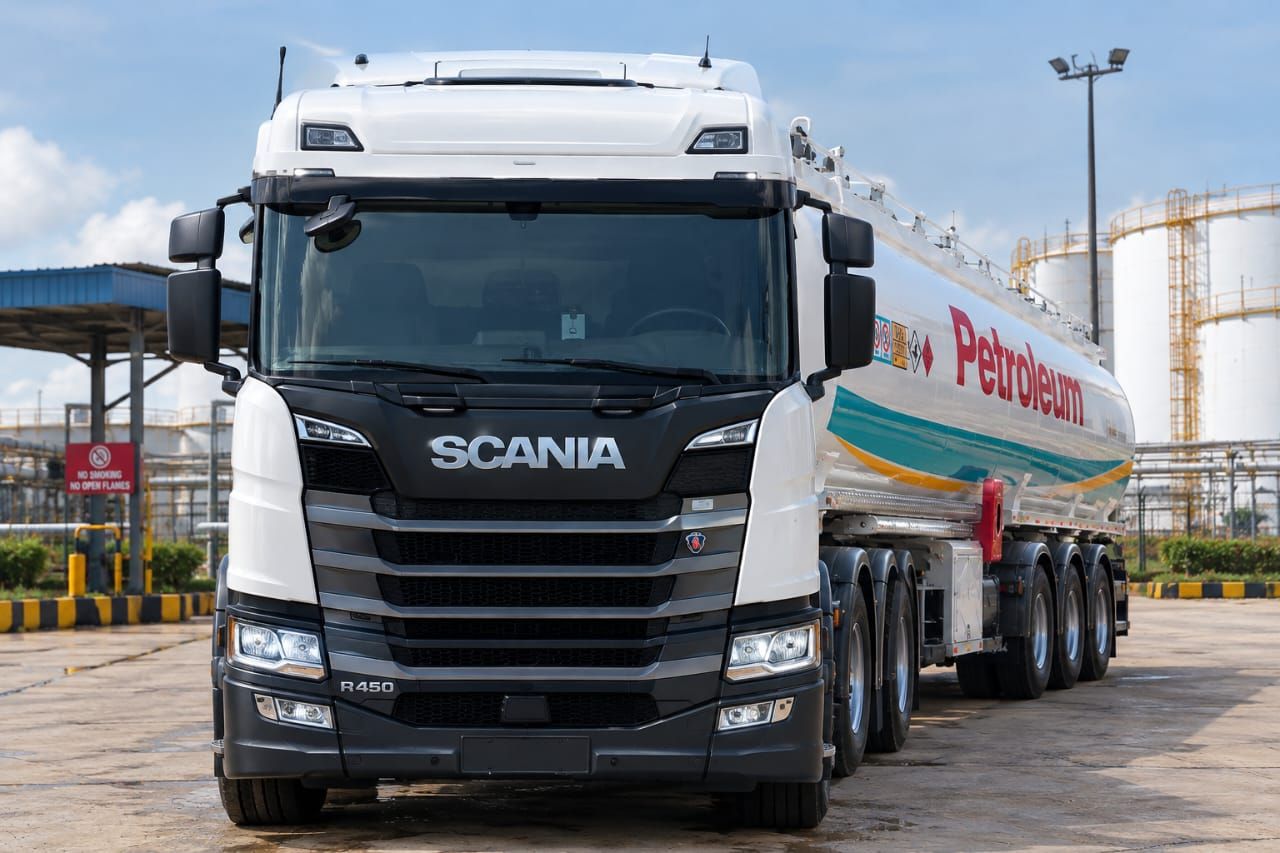
The forecourts below are Premier Energies stations in Dar es Salaam, kept reliably stocked by Primera tankers on scheduled replenishment — including our Bunju station. This is what section 1 looks like in practice.
0 Comments
Be the first to share a thought on this article.